var wprevpublicjs_script_vars = {"wpfb_nonce":"f66860ce92","wpfb_ajaxurl":"https:\/\/www.accuratedorwin.com\/wp-admin\/admin-ajax.php","wprevpluginsurl":"http:\/\/www.accuratedorwin.com\/wp-content\/plugins\/wp-review-slider-pro","page_id":"15290"};
Pultruded Fiberglass is our material of choice for windows, meaning they have a much lower thermal conductivity than other materials. This combined with our insulated frames and sashes, results in some of the most energy efficient windows in the world.
Pultruded Fiberglass is the strongest of all window materials. Fiberglass is eight times stronger than PVC, over three times stronger than wood composites, and 20% stronger than aluminum.
Our windows use thick-wall vinyl that is multi-chambered with fusion welded joints. Durable, sturdy and air and watertight sealing means windows won’t bend, warp, discolour, corrode, rust, fade or deteriorate under any conditions.
A generous selection of exterior trims to help you out with various wall details and design consideration – solutions for improved performance fit and finish details.
Exterior Trims
Trimline Brickmold
Trimline Brickmold positions the window deeper into the wall for pleasing recessed look.
2 1/4” DEEP BRICKMOLD
Ideal to efficiently support exterior insulation detail – great Net Zero wall solution.
3 1/4” PANNING
Panning 3 1/4” extender lends versatility to wide wall applications and creates shadow box appearance. Available with an applied nail fin.
K-PAN
K-Pan Deeper trim used for commercial wall applications.
All-Purpose Brickmold
All-purpose Brickmold Traditional detail with integral nail fin for carefree installation.
Interior Trims
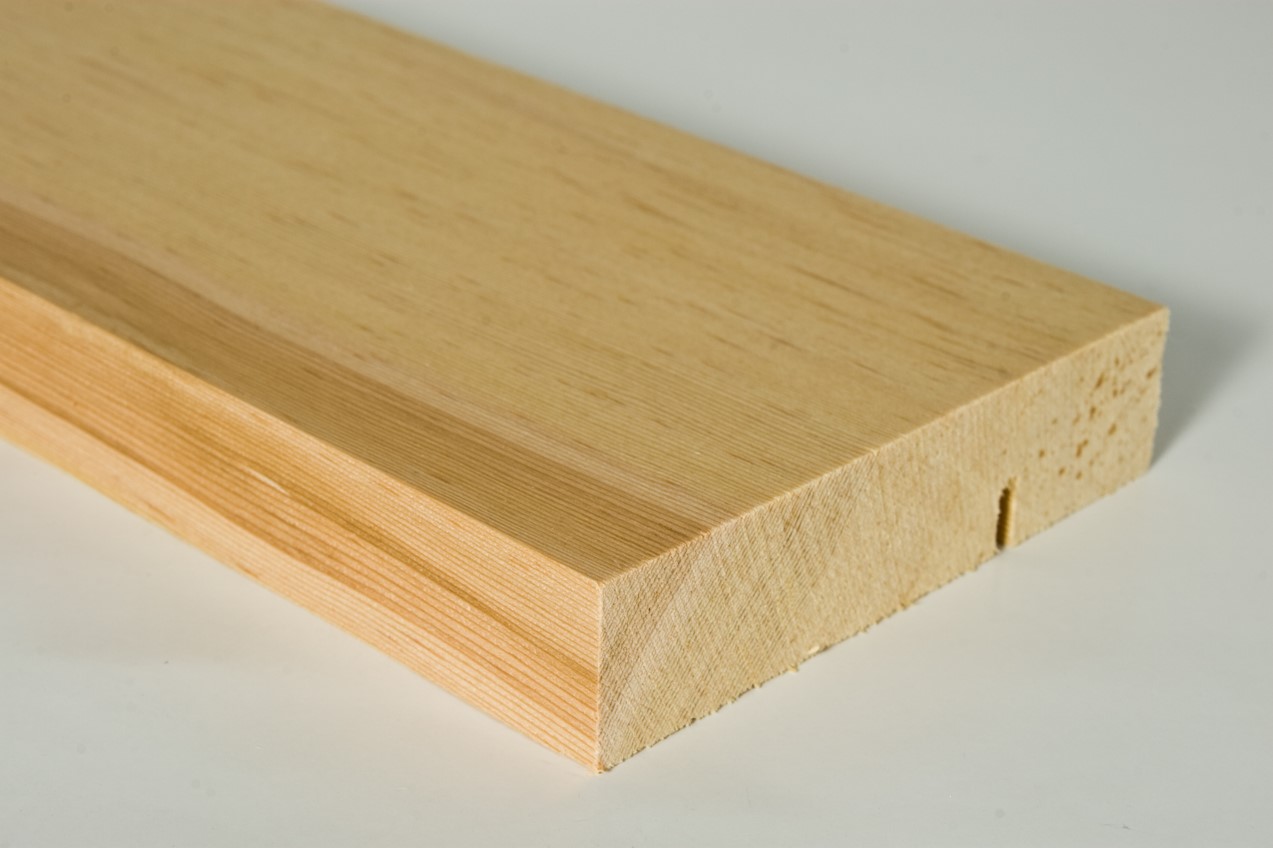
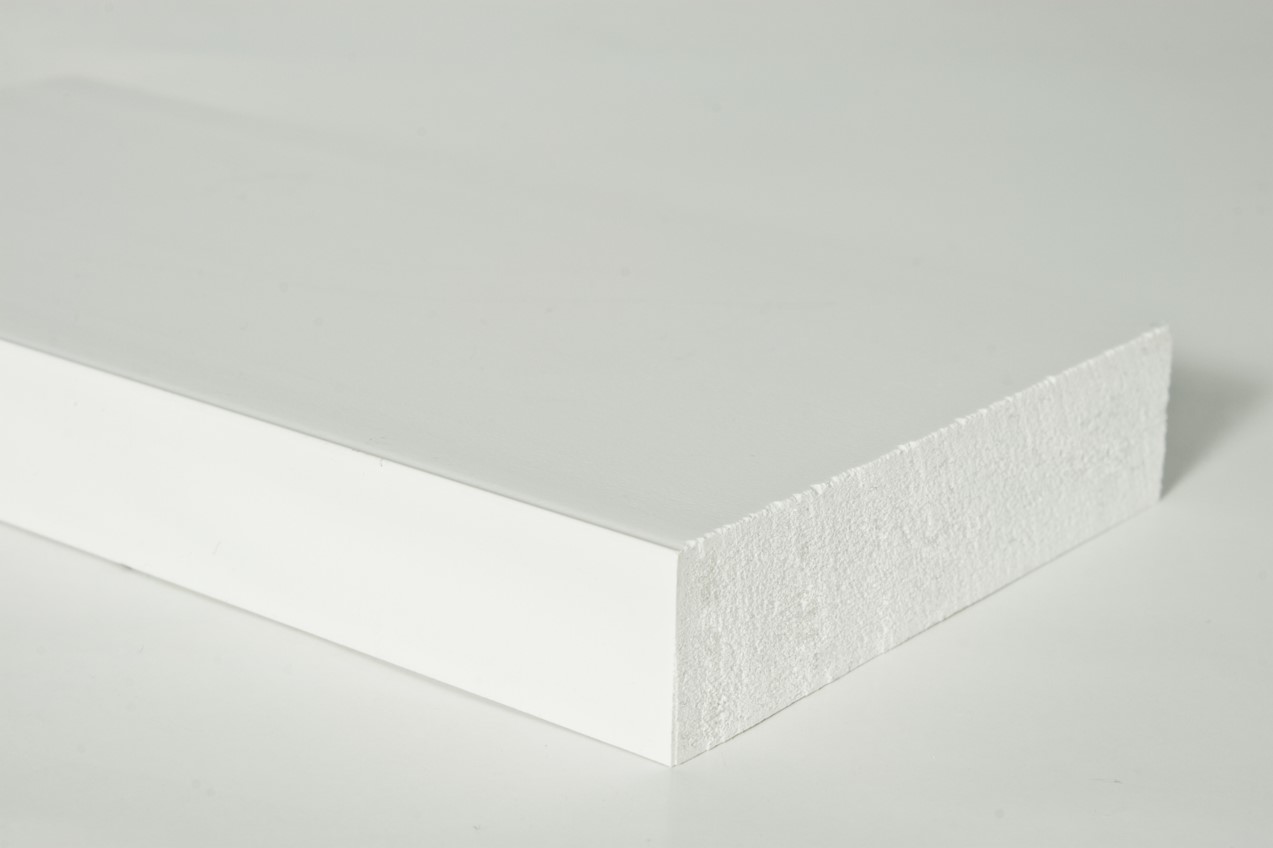
Applied white composite vinyl, oak & fir jamb extensions and 1/2”, 5/8” or 3/4” applied returns to allow you to finish your design application.
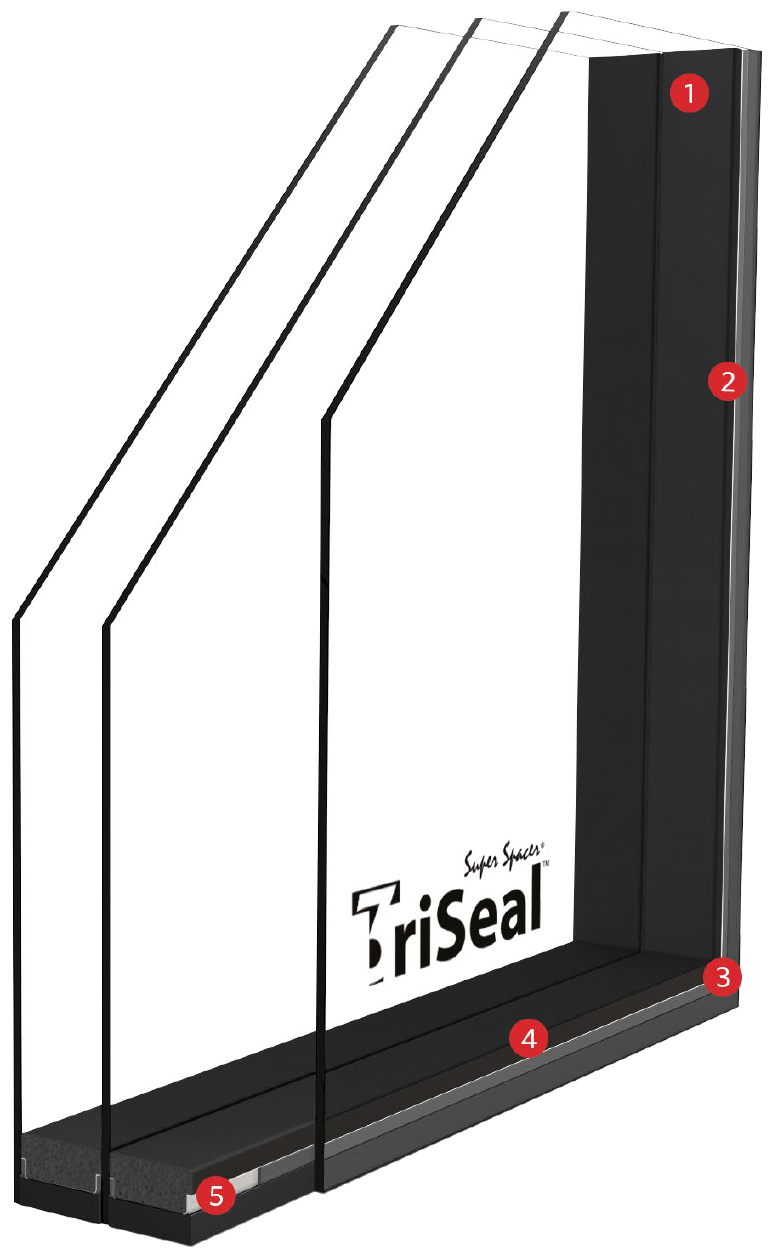
1
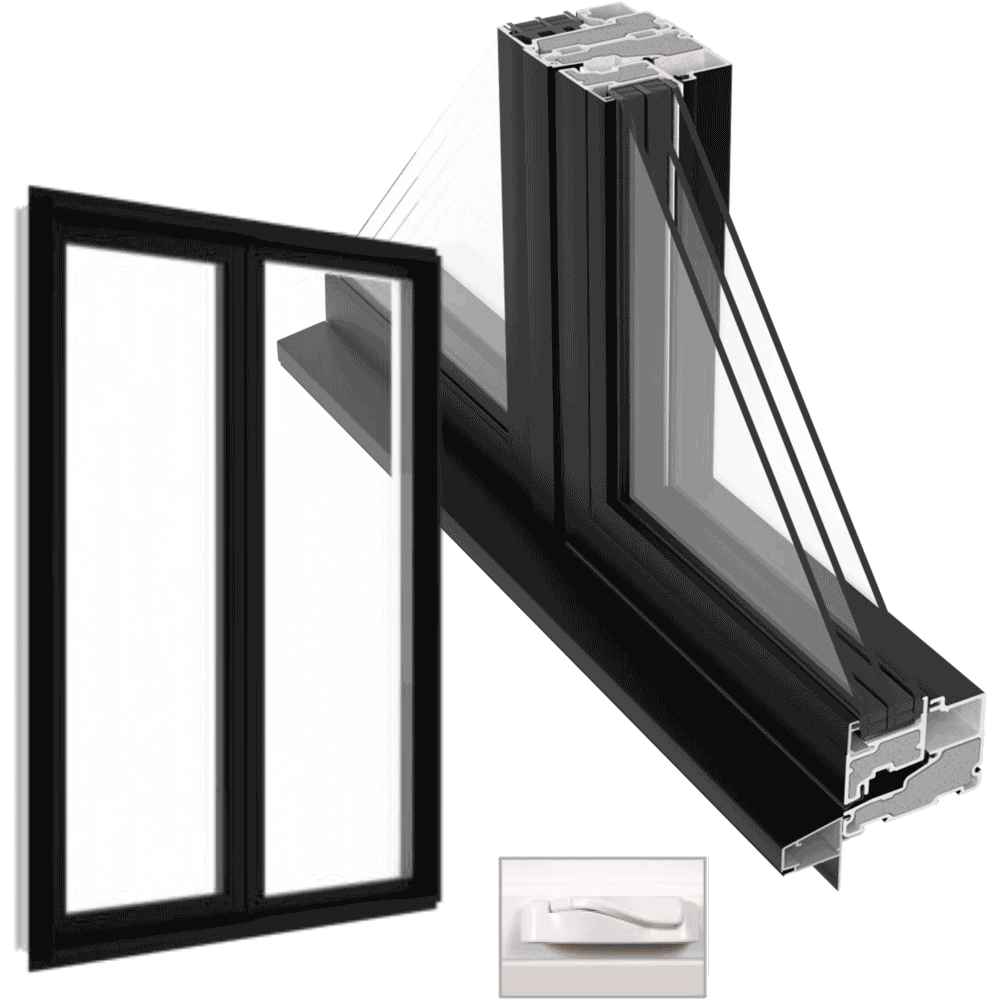
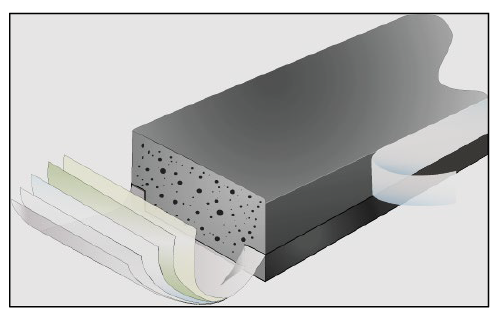
Smooth black matte finish, thermoset structural silicone – NO metal with integral desiccant.
2
Thick-wall vinyl, multi-chambered with fusion welded joints – durable, sturdy and air and watertight.
3
Enduring paint finish in 14 standard colours with split finish and custom colour capability.
4
Santoprene™ rubber weatherseals – air and watertight to low temperatures.
5
Tripane Window Power Glass featuring Tri-Seal™ warm edge spacers – reduced condensation and lasting performance.
1
Smooth black matte finish, thermoset structural silicone – NO metal with integral desiccant.
2
Thick-wall vinyl, multi-chambered with fusion welded joints – durable, sturdy and air and watertight.
3
Enduring paint finish in 14 standard colours with split finish and custom colour capability.
4
Santoprene™ rubber weatherseals – air and watertight to low temperatures.
5
Tripane Window Power Glass featuring Tri-Seal™ warm edge spacers – reduced condensation and lasting performance.
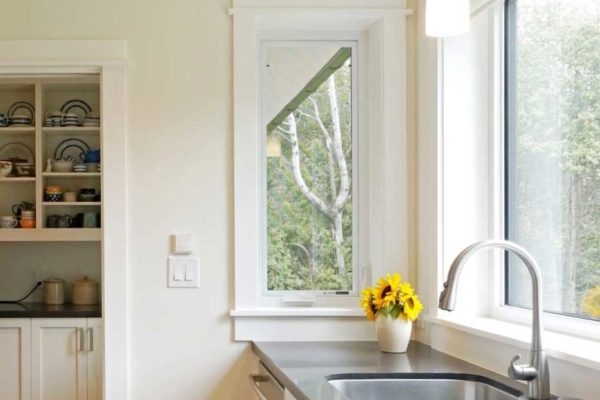
Awning windows are the only window style that helps to keep the rain out while allowing fresh air in. They hinge at the top to open at the bottom.
Casement Windows
Casement windows hinge at the jamb, opening up to 90º. These windows provide any space with optimal air ventilation.
Horizontal Windows
Horizontal Slider windows provide a fiberglass upgrade with dual or tri-pane glass, and tilt and slide features, for easy cleaning.
Single-Hung Windows
Single-Hung windows feature a fixed top lite with an interior tilt and slide bottom sash, providing a classic look to a building or home.
Picture Windows
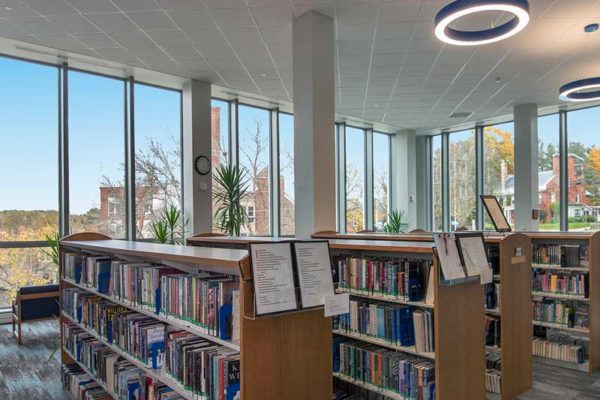
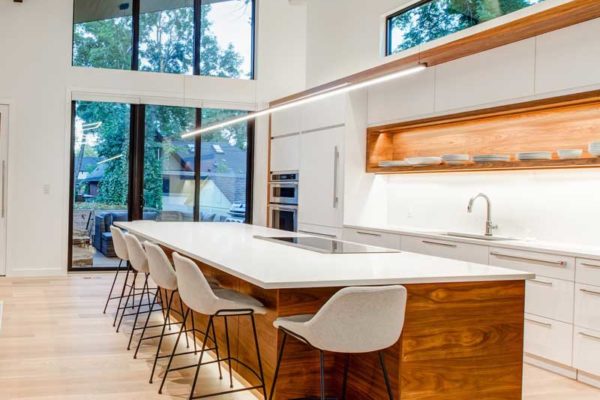
Picture windows are almost fully glass with a narrow profile frame, providing ample natural light, unobstructed views, as well as water and thermal performance.
Enduring Colours
15 standard colours – great selection of on-trend darker tones and traditional window and door shades – Split finish and custom colours are also available.
var nectarLove = {"ajaxurl":"https:\/\/www.accuratedorwin.com\/wp-admin\/admin-ajax.php","postID":"15290","rooturl":"https:\/\/www.accuratedorwin.com","disqusComments":"false","loveNonce":"815a35b463","mapApiKey":""};
var nectarOptions = {"delay_js":"false","quick_search":"false","react_compat":"disabled","header_entrance":"false","simplify_ocm_mobile":"0","mobile_header_format":"default","ocm_btn_position":"default","left_header_dropdown_func":"default","ajax_add_to_cart":"0","ocm_remove_ext_menu_items":"remove_images","woo_product_filter_toggle":"0","woo_sidebar_toggles":"true","woo_sticky_sidebar":"0","woo_minimal_product_hover":"default","woo_minimal_product_effect":"default","woo_related_upsell_carousel":"false","woo_product_variable_select":"default"};
var nectar_front_i18n = {"menu":"Menu","next":"Next","previous":"Previous","close":"Close"};
var gform_i18n = {"datepicker":{"days":{"monday":"Mo","tuesday":"Tu","wednesday":"We","thursday":"Th","friday":"Fr","saturday":"Sa","sunday":"Su"},"months":{"january":"January","february":"February","march":"March","april":"April","may":"May","june":"June","july":"July","august":"August","september":"September","october":"October","november":"November","december":"December"},"firstDay":1,"iconText":"Select date"}};
var gf_legacy_multi = [];
var gform_gravityforms = {"strings":{"invalid_file_extension":"This type of file is not allowed. Must be one of the following:","delete_file":"Delete this file","in_progress":"in progress","file_exceeds_limit":"File exceeds size limit","illegal_extension":"This type of file is not allowed.","max_reached":"Maximum number of files reached","unknown_error":"There was a problem while saving the file on the server","currently_uploading":"Please wait for the uploading to complete","cancel":"Cancel","cancel_upload":"Cancel this upload","cancelled":"Cancelled"},"vars":{"images_url":"http:\/\/www.accuratedorwin.com\/wp-content\/plugins\/gravityforms\/images"}};
var gf_global = {"gf_currency_config":{"name":"Canadian Dollar","symbol_left":"$","symbol_right":"CAD","symbol_padding":" ","thousand_separator":",","decimal_separator":".","decimals":2,"code":"CAD"},"base_url":"http:\/\/www.accuratedorwin.com\/wp-content\/plugins\/gravityforms","number_formats":[],"spinnerUrl":"http:\/\/www.accuratedorwin.com\/wp-content\/plugins\/gravityforms\/images\/spinner.svg","version_hash":"8233a898400a7f3ea7a1757ff1c509db","strings":{"newRowAdded":"New row added.","rowRemoved":"Row removed","formSaved":"The form has been saved. The content contains the link to return and complete the form."}};
var gform_theme_config = {"common":{"form":{"honeypot":{"version_hash":"8233a898400a7f3ea7a1757ff1c509db"}}},"hmr_dev":"","public_path":"http:\/\/www.accuratedorwin.com\/wp-content\/plugins\/gravityforms\/assets\/js\/dist\/"};